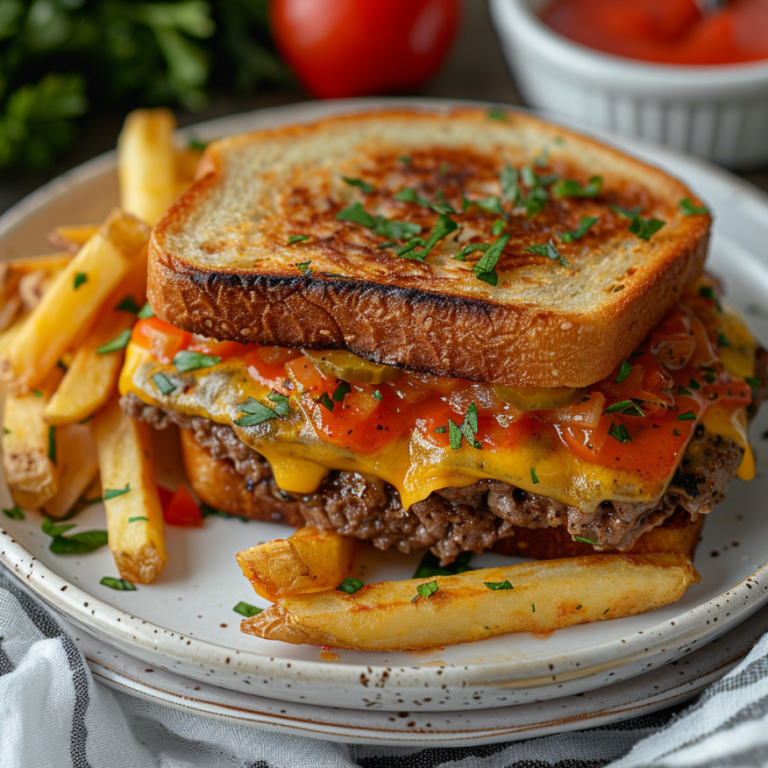
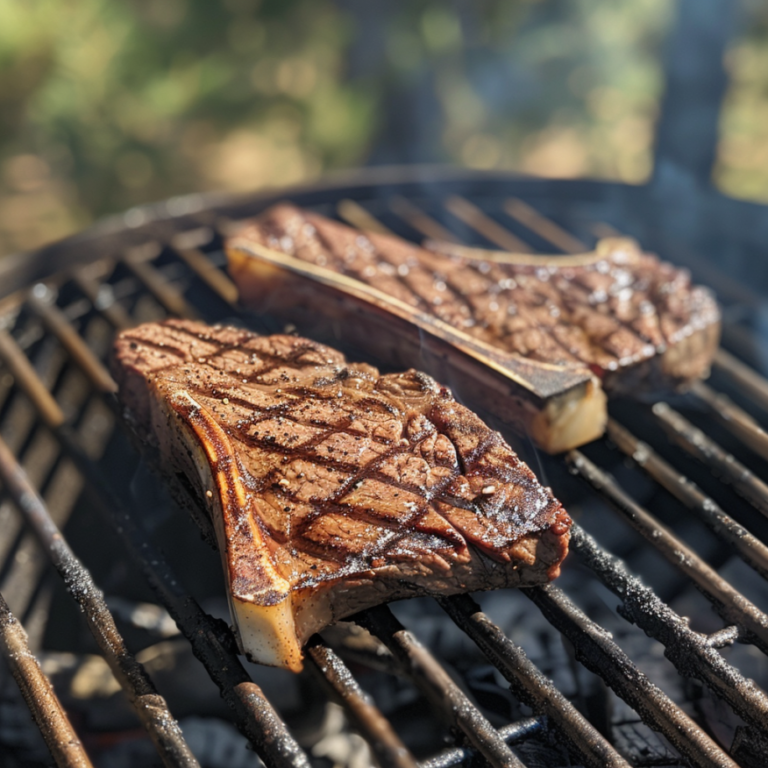
Maple syrup, Dijon mustard, and apple cider vinegar make a quick glaze for grilled pork tenderloin, while thick apple wedges cook alongside it. The result is a savory-sweet dinner with crisp browned edges, a little tang, and familiar fall flavors. A two-zone grill lets you brown the pork first and finish it gently without burning the glaze.
Why This Combination Works
Pork tenderloin cooks relatively quickly, making it a useful alternative to an all-day smoking project. Mustard and vinegar balance the maple syrup, and smoked paprika adds depth without requiring wood chips. Firm apples hold their shape better than soft varieties. The glaze goes on near the end because its sugar can scorch over direct heat.
Maple-Dijon Grilled Pork Tenderloin with Apples
Servings: 4
Yield: One sliced tenderloin and grilled wedges from 2 apples
Prep: 15 minutes
Cooking: Approximately 20–30 minutes
Rest: 5 minutes
Total: Approximately 40–50 minutes, with grill preheating during preparation
Marinating: None
Equipment
- Gas grill with at least two independently controlled burners, or a charcoal grill arranged for two-zone cooking
- Instant-read meat thermometer
- Tongs, a small saucepan, a basting brush, and a clean serving platter
- A grill basket for the apples, optional
Ingredients
- 1 plain, unseasoned pork tenderloin, 1¼–1½ pounds, approximately 2–3 inches thick at its widest point
- 2 teaspoons olive oil for the pork
- ½ teaspoon fine sea salt
- ½ teaspoon ground black pepper
- ½ teaspoon smoked paprika
- ½ teaspoon garlic powder
- 3 tablespoons pure maple syrup
- 2 tablespoons Dijon mustard
- 1 tablespoon apple cider vinegar
- 1 tablespoon water
- 2 large firm apples, such as Honeycrisp or Pink Lady
- 2 teaspoons olive oil for the apples
- ⅛ teaspoon fine sea salt for the apples
Instructions
- Set up the grill. Preheat to approximately 400–425°F with the lid closed. On a gas grill, leave one side without an active burner to create an indirect zone. On charcoal, bank the coals on one side. Clean the grates. Grill outdoors in an open area.
- Prepare the pork. Remove the silverskin with a sharp knife, sliding the blade just beneath the membrane. Pat dry. Rub with 2 teaspoons oil, then season with ½ teaspoon salt, the pepper, paprika, and garlic powder. Tuck a very thin tail under itself to encourage even cooking.
- Make and divide the glaze. Combine maple syrup, Dijon, vinegar, and water in a small saucepan. Bring to a gentle simmer on the stove and cook for about 2 minutes, stirring. Divide equally between two bowls. Reserve one bowl and a clean spoon for serving; use the other bowl for brushing the pork.
- Prepare the apples. Leave the peels on, remove the cores, and cut each apple into 8 thick wedges. Toss with the remaining 2 teaspoons oil and ⅛ teaspoon salt.
- Brown the tenderloin. Place over direct heat. Close the lid between turns and cook for about 6–8 minutes total, turning every 2 minutes to brown several sides. Move it away from any flare-ups.
- Finish over indirect heat. Transfer the pork to the unlit side, close the lid, and cook for approximately 10–20 minutes more. Start checking its temperature early; thickness and grill performance matter more than the clock. When it reaches roughly 130–135°F, brush with a thin layer of the basting glaze. Continue cooking, adding another thin layer if desired. Discard unused glaze from the basting bowl.
- Grill the apples. During the pork’s indirect cooking stage, place the wedges over medium direct heat, across the grates or in a grill basket. Cook approximately 3–4 minutes per cut side with the lid closed between turns, until marked and just tender. Move them to the cooler side if they darken too quickly. Remove finished apples to a clean platter.
- Check doneness and rest. Insert the thermometer from the side into the center of the thickest part of the pork. Check more than one spot. Do not remove it until the lowest reading reaches at least 145°F. Rest on a clean board for 5 minutes before slicing; this exceeds the USDA minimum 3-minute rest.
- Serve. Slice across the grain into ½-inch medallions. Serve with the apples and the reserved, uncontaminated glaze.
Tips for Better Results
Buy tenderloin, not pork loin. A loin roast is considerably larger and needs a different cooking plan. Check the label rather than relying on appearance. If your pork is already enhanced with a salt solution, reduce the added salt.
Keep the glaze away from direct flame. Thin layers over indirect heat create a glossy coating without a blackened sugar crust. If the pork browns before it is done, keep it on the cooler side and allow additional time.
Use temperature rather than color. Browning tells you about the surface, not the center. USDA recommends 145°F followed by at least a 3-minute rest for whole pork cuts. A longer cook is not necessary for pulled-pork tenderness here; tenderloin is a lean cut intended for slicing.
Variations and Serving Suggestions
Replace the maple syrup with honey for a different sweetness, keeping the same late-glazing method. For gentle heat, stir ¼ teaspoon crushed red pepper into the glaze before dividing it. Firm pears can replace the apples, though their cooking time will depend on ripeness; check them frequently and remove them as soon as they soften.
Serve with roasted potatoes, a green salad, or a vinegar-based slaw. If you are planning several grill nights, try our Smoky BBQ Grilled Chicken Delight or Sizzling Cajun Spice Grilled Fish for a change of protein.
Storage and Reheating
Refrigerate leftovers in shallow covered containers within 2 hours, or within 1 hour if the outdoor temperature exceeds 90°F. Keep the refrigerator at 40°F or below and use the cooked pork within 3–4 days. Store the apples separately when practical. Reheat pork gently in a covered skillet with a splash of water until its center reaches 165°F. Warm the apples separately so they do not turn mushy.
Keep the Grill Going
A two-zone setup and a thermometer make this dinner manageable even when the weather turns cooler. Explore more BBQ recipes on How To BBQ to plan your next meal around the grill.